

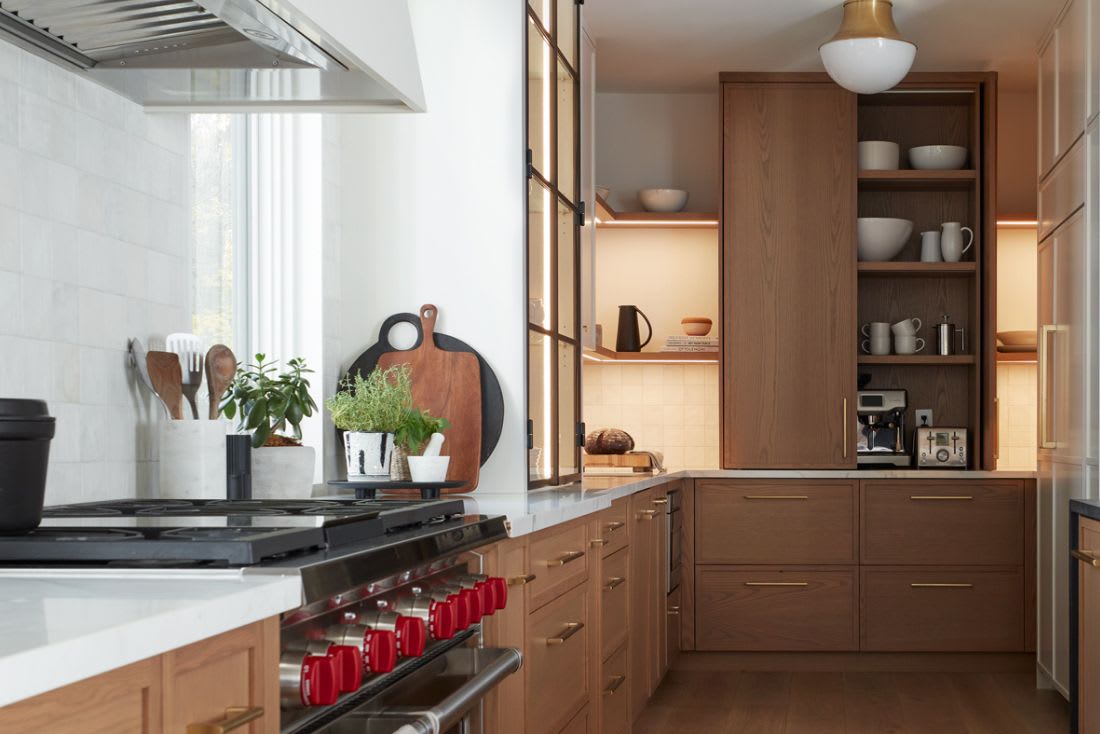
Kitchen cabinets play an important role in how a kitchen looks, functions and uses its available space. They provide storage for cookware, utensils, groceries and appliances while contributing to the overall interior design. However, choosing the right cabinets involves more than selecting an attractive colour or modern style. Material quality, cabinet construction, storage capacity, finishes, hardware and professional Carpentry Services in Dubai all influence how well they perform over time.
Whether you are designing a new kitchen or upgrading an existing one, it is important to select cabinets that suit your space and everyday requirements. From understanding different cabinet materials to comparing custom and ready-made options, this guide explains the essential factors to consider before making your decision.
What Should You Consider Before Choosing Kitchen Cabinets?
Before exploring different cabinet styles and materials, assess your kitchen layout and storage requirements. A cabinet design that looks attractive in a showroom may not work effectively in a kitchen with limited space or a different layout.
Available Kitchen Space and Layout
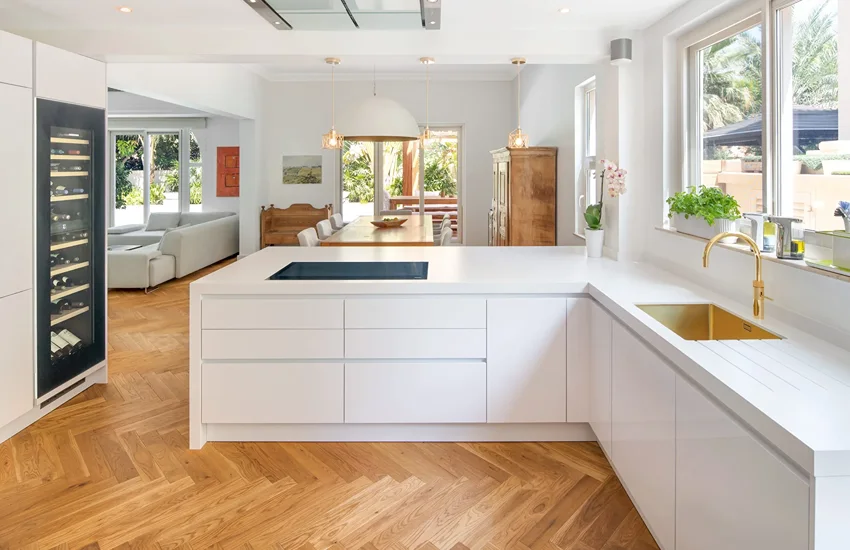
Start by measuring the available wall space, floor area, ceiling height and positions of doors and windows. Consider the location of essential appliances, including the refrigerator, oven, dishwasher and cooking range. Cabinet placement should allow convenient movement and provide sufficient clearance for doors and drawers to open without obstruction.
The kitchen layout also affects the type of cabinets you need. L-shaped kitchens may benefit from corner storage solutions, while galley kitchens often require carefully planned wall and base cabinets. Larger kitchens may accommodate tall pantry units and additional storage sections.
 Storage Requirements
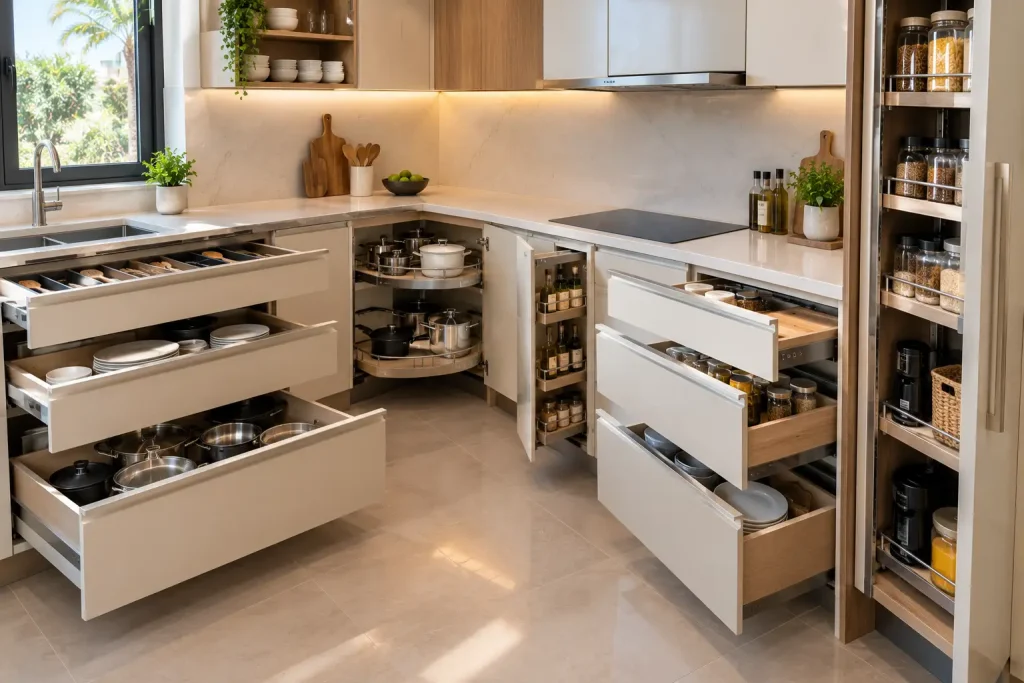
Think about the items you regularly store in your kitchen. Pots, pans, plates, spices, cleaning products and small appliances all require different storage arrangements. Deep drawers can accommodate cookware, while narrow pull-out units are useful for spices and bottles.
Consider your existing storage problems before selecting new cabinets. If countertops are frequently occupied by appliances, additional appliance storage may help create a more organised workspace.
 Kitchen Style and Interior Design
Kitchen cabinets cover a significant portion of the visible kitchen space, so their appearance should complement the overall interior. Consider your countertops, backsplash, flooring, wall colours and lighting before choosing a cabinet design.
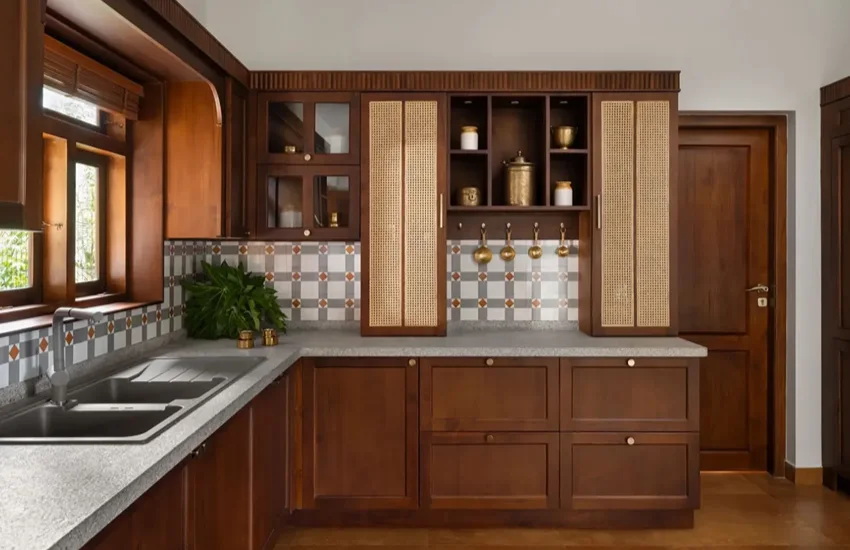
Modern kitchens often feature simple lines and minimal detailing, while traditional interiors may look better with framed doors, decorative panels and natural wood finishes.
 Budget and Long-Term Maintenance
Your budget should account for more than the cabinet material. Include cabinet construction, internal fittings, handles, hinges, finishing, delivery and installation when comparing options.
It is also important to consider maintenance. A cabinet surface that requires specialised cleaning may not be practical for a busy household. Choose materials and finishes that suit your cleaning routine and everyday kitchen use.
 What Are the Different Types of Kitchen Cabinets?
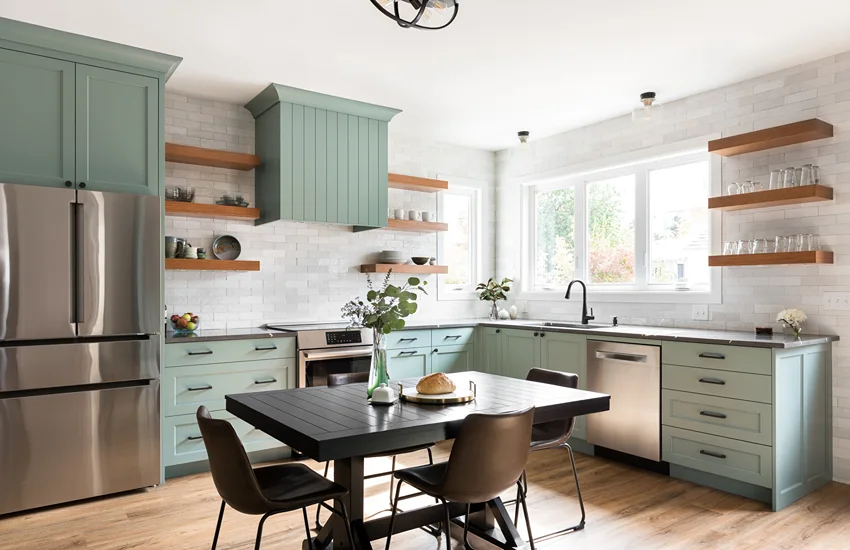
Kitchen cabinets are generally divided into different categories according to their position and purpose. Combining these types allows you to organise storage efficiently and make better use of available space.
Base Cabinets
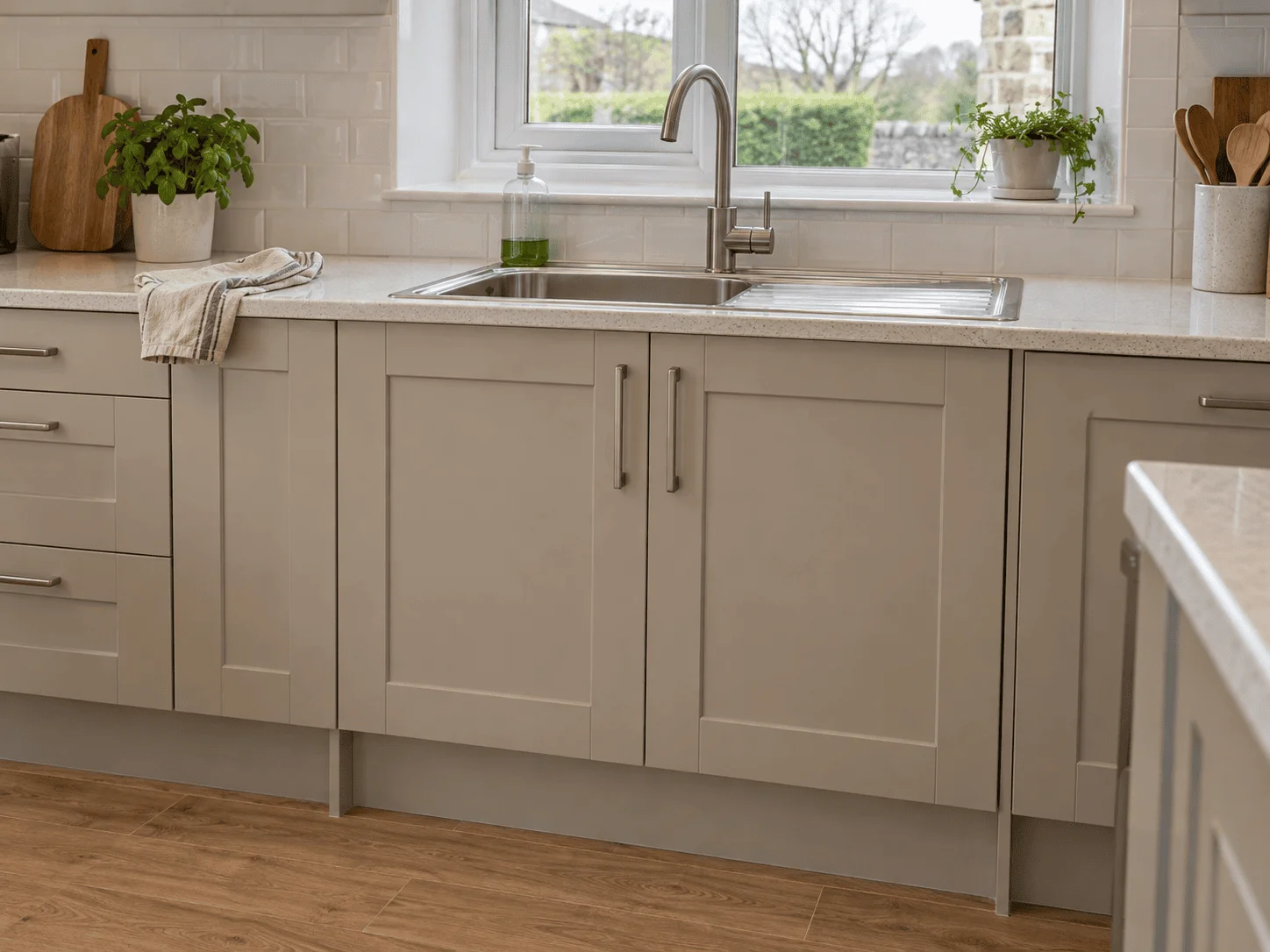
Base cabinets are installed directly on the floor, usually beneath the kitchen countertop. They provide storage for cookware, utensils, cleaning supplies and other frequently used items.
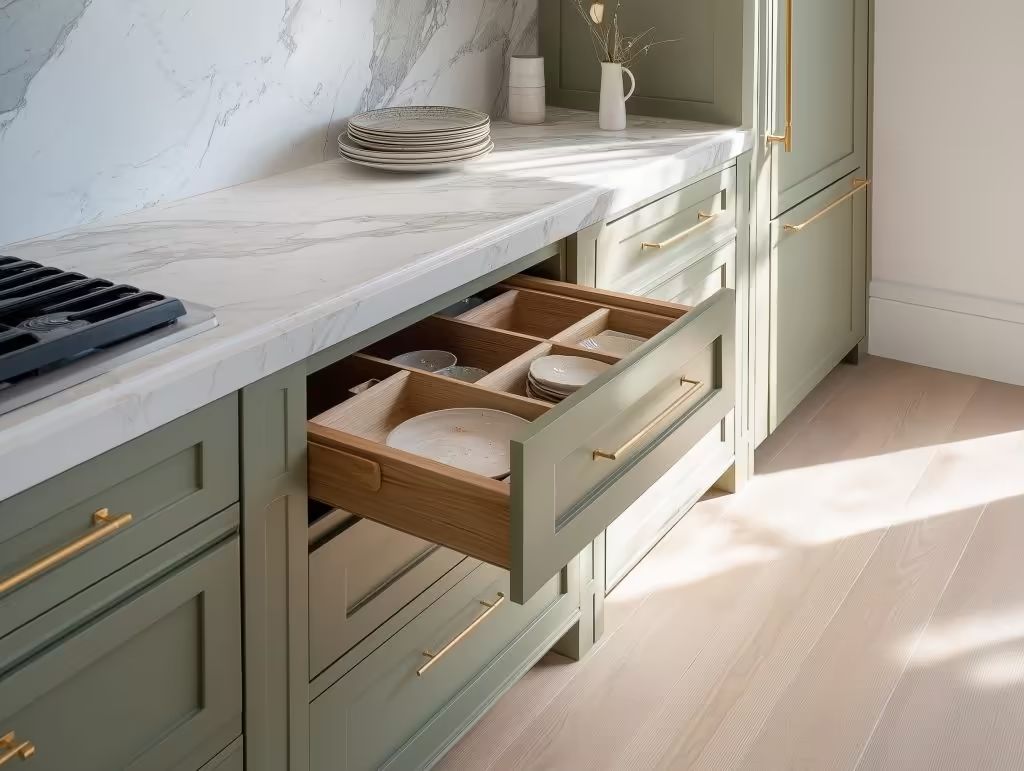
These cabinets can include shelves, drawers, pull-out baskets and specialised organisers. Deep drawers are particularly useful for storing heavy pots and pans because they make contents easier to access without reaching into the back of a cupboard.
 Wall Cabinets
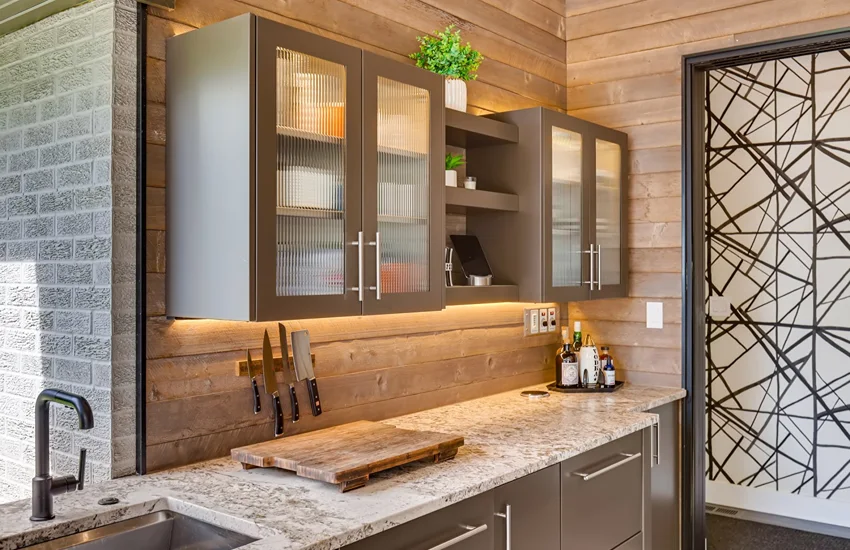
Wall cabinets are mounted above countertops and other work areas. They provide additional storage without occupying floor space, making them useful in both compact and spacious kitchens.
They are commonly used for plates, glasses, cups, spices and lightweight kitchen items. Their height and depth should be planned carefully to maintain comfortable access and avoid obstructing the workspace.
 Tall Pantry Cabinets
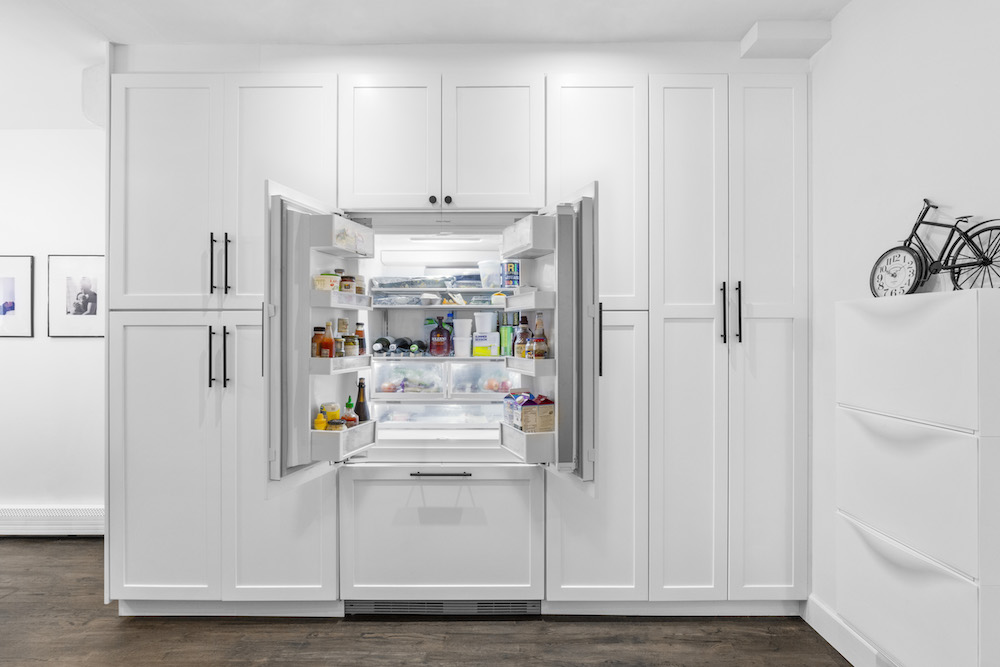
Tall cabinets extend vertically and provide substantial storage capacity. They are suitable for storing packaged food, dry ingredients, kitchen appliances and larger household supplies.
Some pantry units include adjustable shelves, pull-out drawers or internal baskets. These features help organise different items and make it easier to access products stored at various heights.
 Corner Kitchen Cabinets
Corner cabinets are designed to use the space where two kitchen sections meet. Without suitable storage fittings, these areas can become difficult to access and may remain underused.
Options include rotating trays, pull-out corner systems and specially designed drawers. The most suitable arrangement depends on the cabinet dimensions, kitchen layout and items you intend to store.
 Custom Kitchen Cabinets
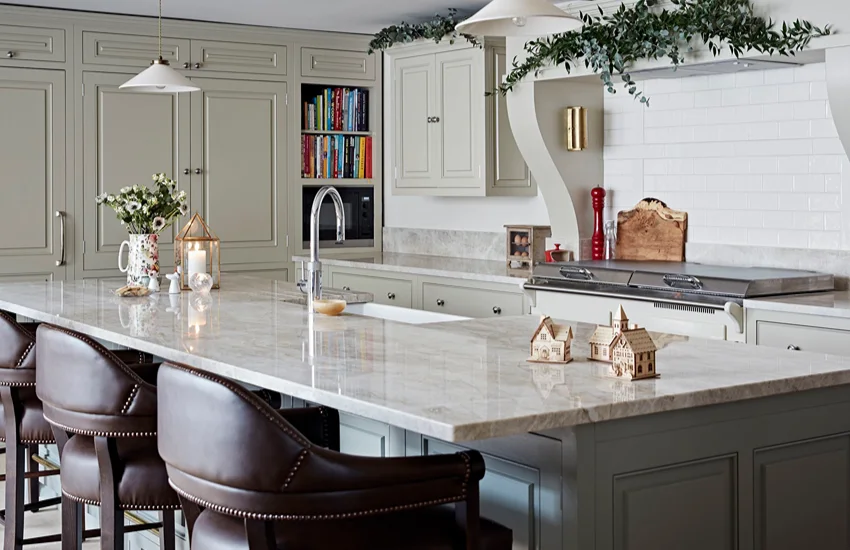
Custom kitchen cabinets are designed according to the dimensions, storage requirements and preferred appearance of a particular kitchen. They offer greater flexibility in cabinet sizes, internal layouts, materials and finishes.
This option can be particularly useful for kitchens with unusual dimensions, limited storage space, sloping walls or specific appliance requirements. Custom designs also allow homeowners to combine different cabinet types into one coordinated layout.
 Which Material Is Best for Kitchen Cabinets?
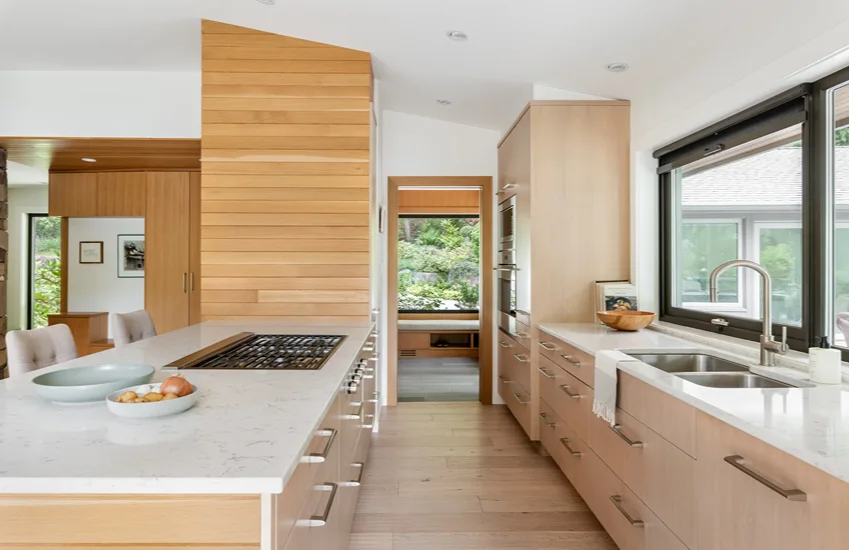
The cabinet material affects its appearance, construction, durability, maintenance and overall cost. Different materials perform differently when exposed to everyday use, moisture and temperature changes.
Solid Wood Cabinets
Solid wood cabinets are made from natural timber and are valued for their distinctive grain patterns and traditional appearance. Oak, maple and other hardwoods are commonly used in furniture and cabinetry.
One advantage of solid wood is that certain surfaces can be sanded, refinished or repaired when necessary. However, wood can respond to changes in humidity and temperature, which may cause movement or warping if it is not properly dried, sealed and maintained.
Solid wood is worth considering when natural appearance and the possibility of future refinishing are important priorities.
 MDF Kitchen Cabinets
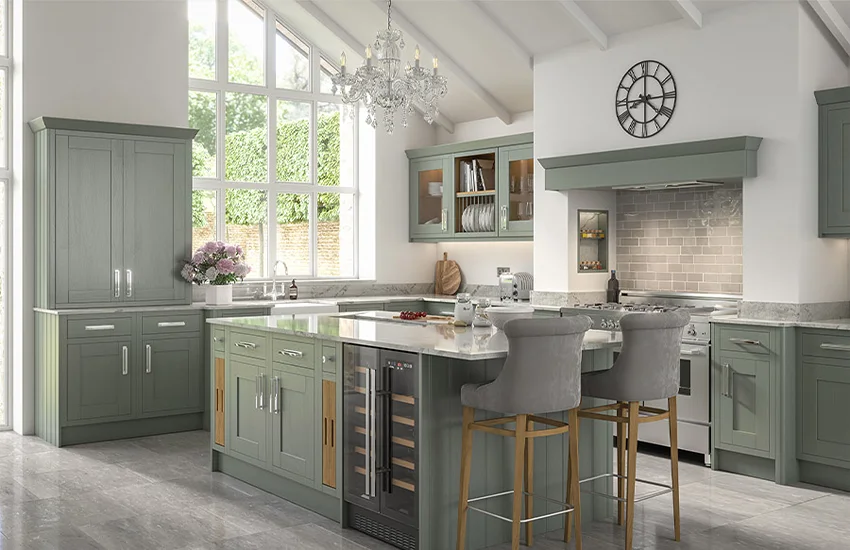
Medium-density fibreboard (MDF) is an engineered wood product manufactured from wood fibres combined with resin under pressure. It provides a relatively smooth and consistent surface, making it suitable for painted finishes and decorative cabinet doors.
MDF is often used for modern cabinet designs because it can be shaped into different profiles without the natural grain variations found in solid wood.
Standard MDF can be vulnerable to swelling when exposed to excessive moisture, especially at unprotected edges. Moisture-resistant grades and appropriate sealing can help address this concern, but the product specification and installation quality should always be checked.
 Plywood Kitchen Cabinets
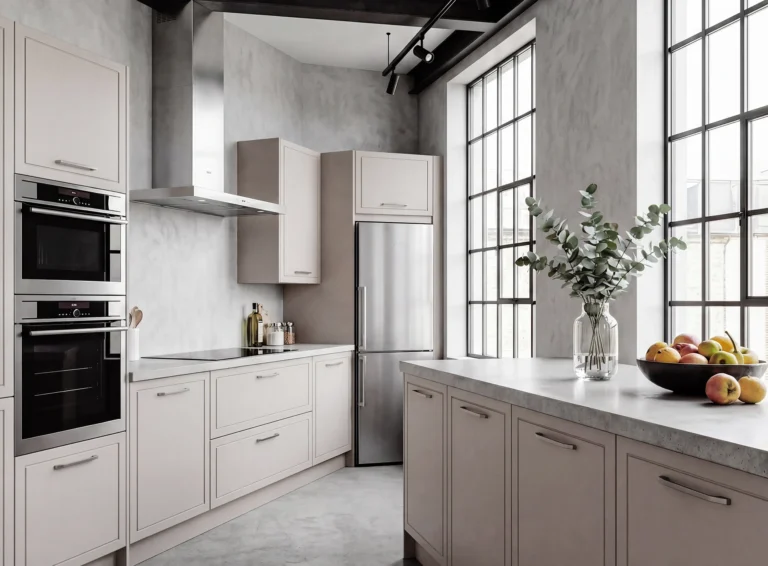
Plywood is produced by bonding multiple thin layers of wood veneer together, with the grain direction of adjacent layers arranged to improve structural stability.
It is commonly used for cabinet carcasses, shelves and other structural components. Quality plywood can offer good strength and screw-holding performance, making it suitable for cabinets that support heavy kitchen items.
However, plywood quality varies according to its grade, core construction, adhesive and surface treatment. For kitchen applications, ask about moisture suitability and edge sealing rather than assuming every plywood product offers the same performance.
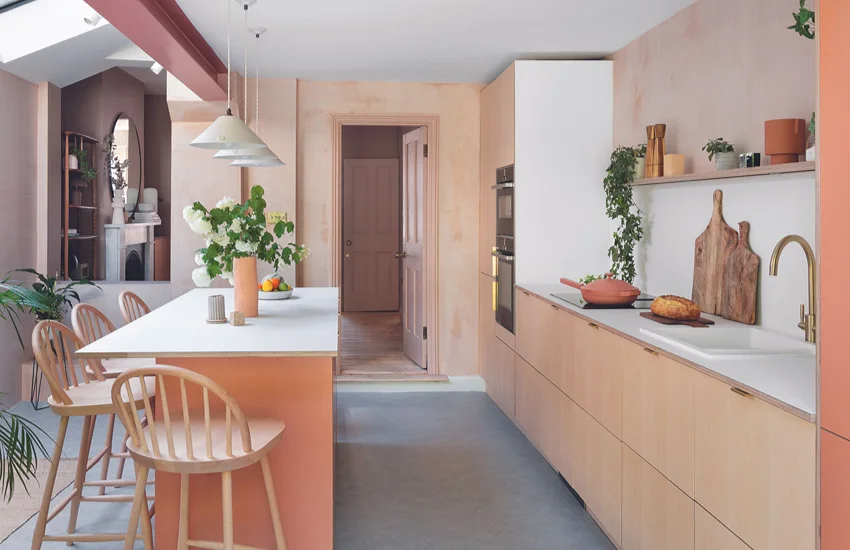 Particleboard Cabinets
Particleboard is an engineered material manufactured by pressing wood particles and adhesive into panels. It is commonly used in budget-conscious furniture and cabinetry, particularly when combined with laminate or melamine surfaces.
Its affordability and smooth surface make it a practical option for certain kitchen designs. However, standard particleboard can be sensitive to water exposure, and prolonged moisture contact may cause swelling or deterioration.
For this reason, inspect the panel quality, edge protection and surface finish before choosing particleboard cabinets.
 Kitchen Cabinet Material Comparison
| Material | Main Advantage | Important Consideration |
| Solid Wood | Natural grain and refinishing potential | Requires suitable moisture and humidity management |
| MDF | Smooth surface for painted finishes | Standard grades need protection from moisture |
| Plywood | Layered construction and structural strength | Quality varies by grade and core |
| Particleboard | Budget-friendly engineered option | Edges and surfaces need protection from water |
There is no single material that is best for every kitchen. The right choice depends on your budget, preferred finish, cabinet construction and expected usage. You can also combine materials, such as using plywood for cabinet carcasses and MDF for painted cabinet doors.
How to Choose the Right Kitchen Cabinet Design
The cabinet design should reflect your preferred interior style while remaining practical for everyday use. Door profiles, handles, proportions and surface details all influence the final appearance.
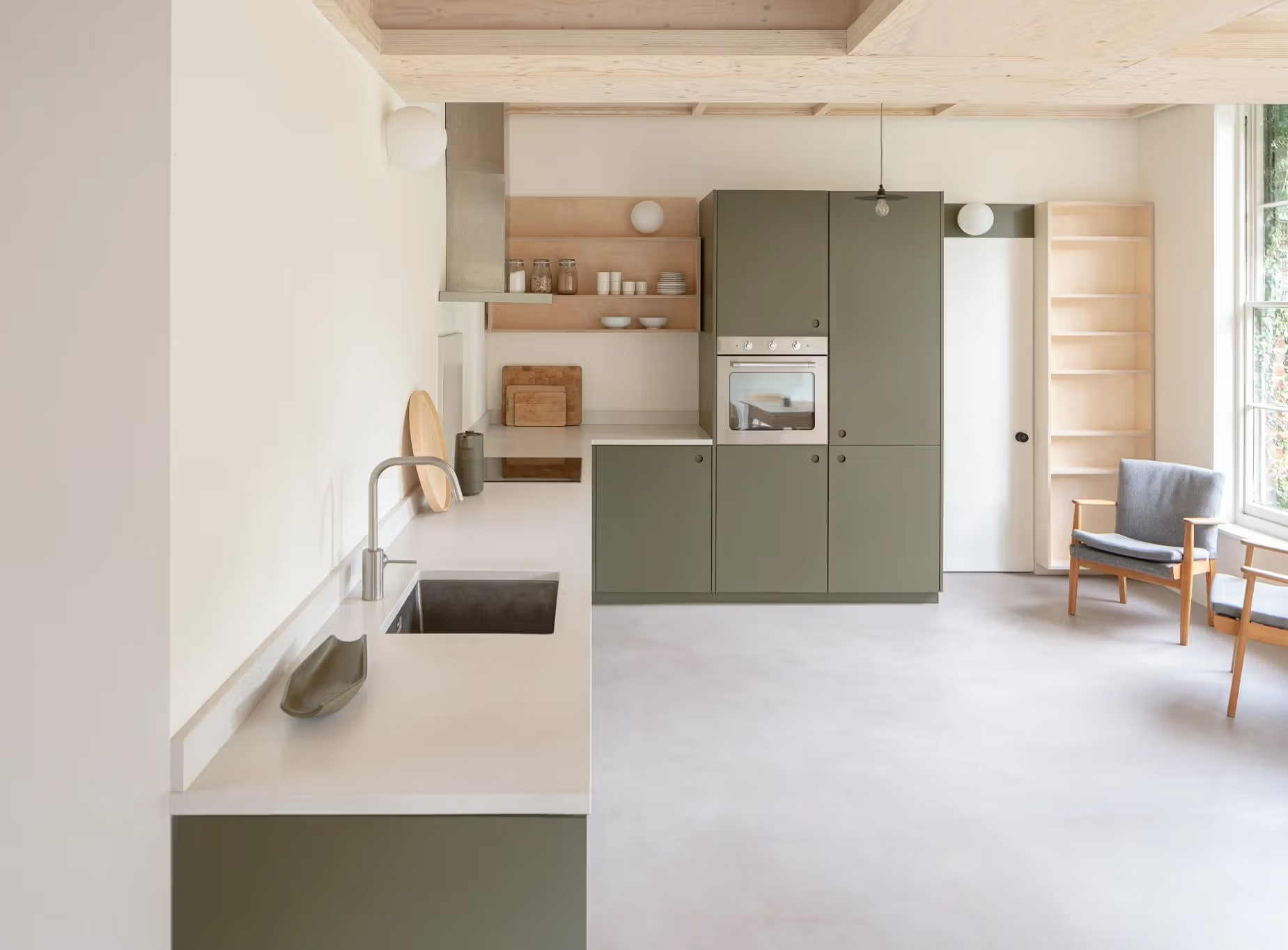
Modern Minimalist Cabinets
Modern minimalist cabinets feature simple shapes, clean lines and limited decorative details. They are often paired with neutral colours, concealed handles and uncluttered countertops.
This style works well in contemporary kitchens where a consistent and organised appearance is preferred.
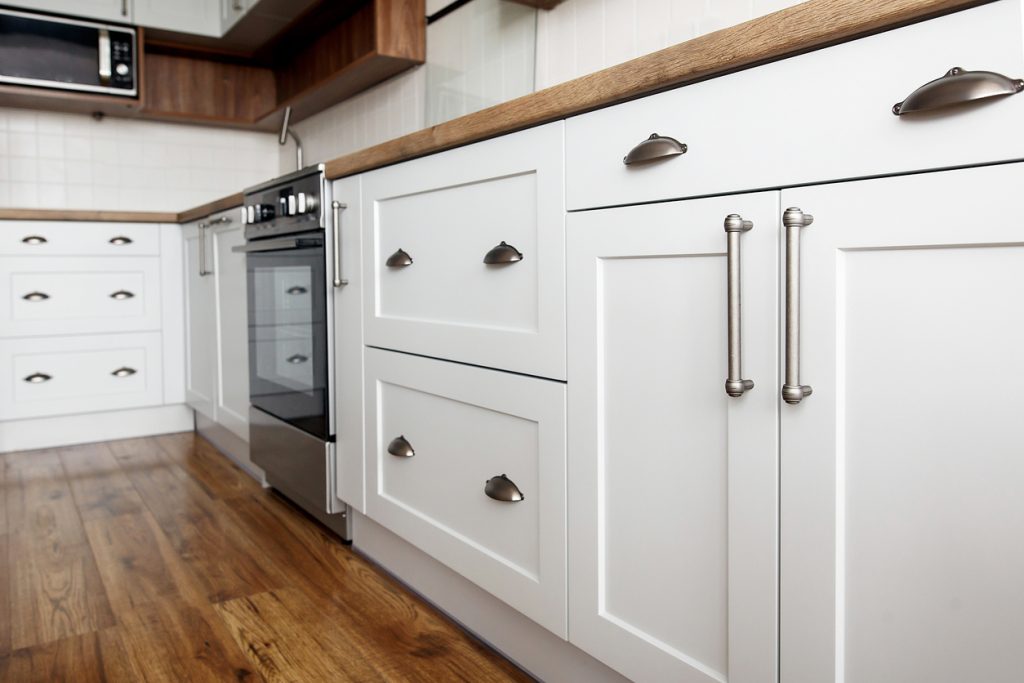
 Shaker-Style Cabinets
Shaker cabinets feature a flat central panel surrounded by a simple frame. Their balanced design makes them suitable for both traditional and modern interiors.
They can be finished in painted colours or natural wood tones and are commonly paired with simple handles and complementary countertops.
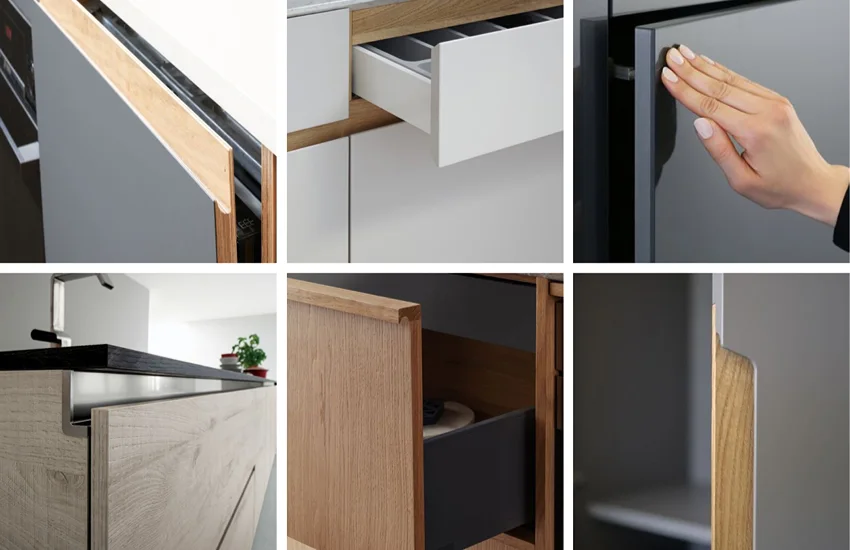
 Handleless Kitchen Cabinets
Handleless cabinets use integrated grooves, recessed grips or push-to-open mechanisms instead of conventional external handles.
They create a streamlined appearance and reduce visible hardware. However, the opening mechanism and fittings should be selected carefully to ensure smooth operation and convenient access.
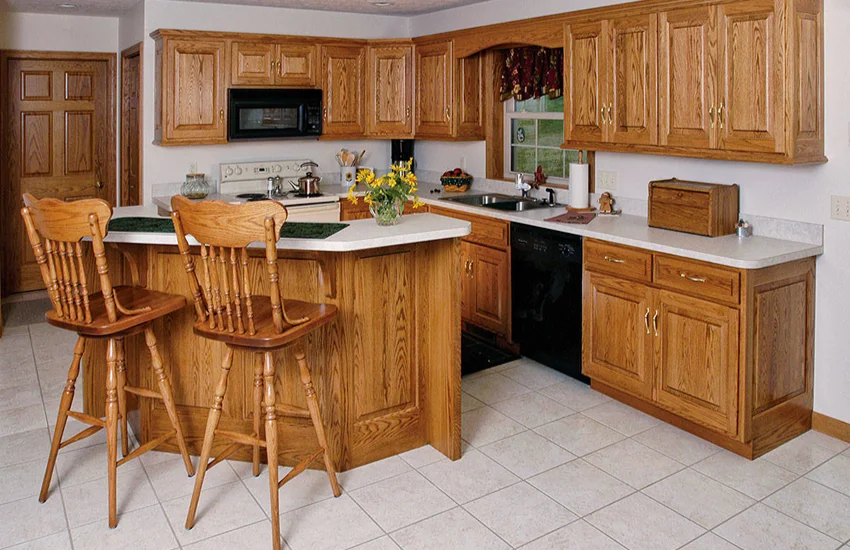
 Traditional Wooden Cabinets
Traditional cabinets often feature natural wood finishes, framed doors, decorative details and classic hardware. They can add warmth and character to kitchens with traditional or transitional interiors.
When selecting this style, consider how the wood tone will coordinate with flooring, countertops and other finishes.
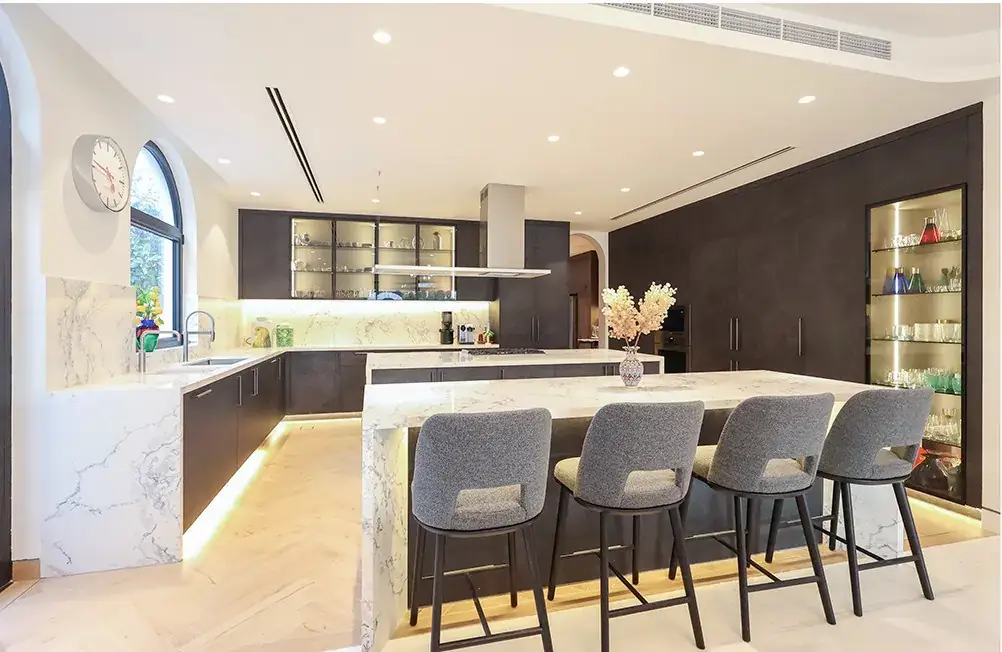
 Glossy and Matte Cabinet Designs
Glossy cabinet surfaces reflect more light and can create a brighter appearance, particularly in kitchens with limited natural lighting. However, fingerprints and surface marks may be more noticeable depending on the finish.
Matte cabinets provide a softer appearance and are available in a wide range of colours. Their cleaning requirements depend on the coating and surface texture, so request maintenance guidance before selecting a particular product.
 Final Tips for Choosing the Best Kitchen Cabinets
Choosing kitchen cabinets is an important part of planning a functional and attractive kitchen. Start by assessing your available space, storage requirements and preferred interior style. Then compare materials such as solid wood, MDF, plywood and particleboard according to their construction, moisture suitability, appearance and maintenance needs.
Pay equal attention to cabinet finishes, internal storage features, hinges and drawer mechanisms. Accurate measurements and professional installation are also essential for achieving a practical layout and a consistent finish.
Rather than choosing cabinets based only on appearance or initial cost, consider how they will perform under everyday kitchen conditions. A carefully planned combination of suitable materials, useful storage and well-fitted hardware can make your kitchen more organised and comfortable to use.


